


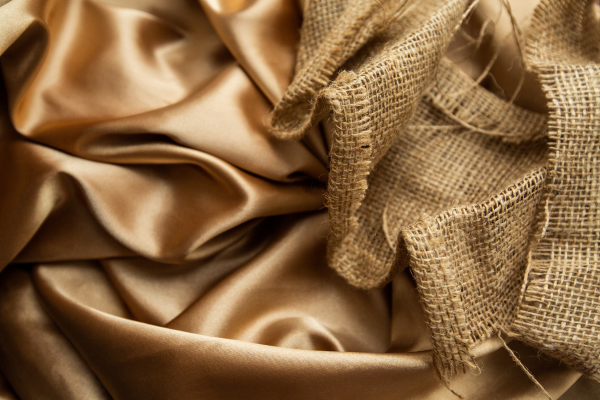
If a room feels flat or unfinished, the issue is often not color or furniture—it’s a lack of texture. Drapery plays a crucial role in creating visual depth and tactile richness.
Why Texture Matters
Texture adds dimension. Without it, spaces feel sterile or incomplete. Drapery introduces softness, contrast, and warmth, balancing harder surfaces like walls, floors, and furniture.
Mixing Textures Intentionally
- Matte drapery with glossy furniture creates contrast and visual interest.
- Heavy fabrics against light walls ground a room, making it feel intentional and well-composed.
- Layering textures prevents spaces from feeling one-dimensional.
Choosing the Right Texture
- Soft, woven fabrics bring warmth and comfort—ideal for living rooms and bedrooms.
- Structured textiles suit modern interiors, offering clean lines and architectural presence.
The goal isn’t excess—it’s balance. Thoughtful texture elevates a space from ordinary to refined.
Design takeaway:
Texture is the difference between a room that’s decorated and one that’s truly designed.
Planning drapery for your home?
Order custom drapery made to your measurements in five easy steps, or request fabric swatches to see and feel them first.